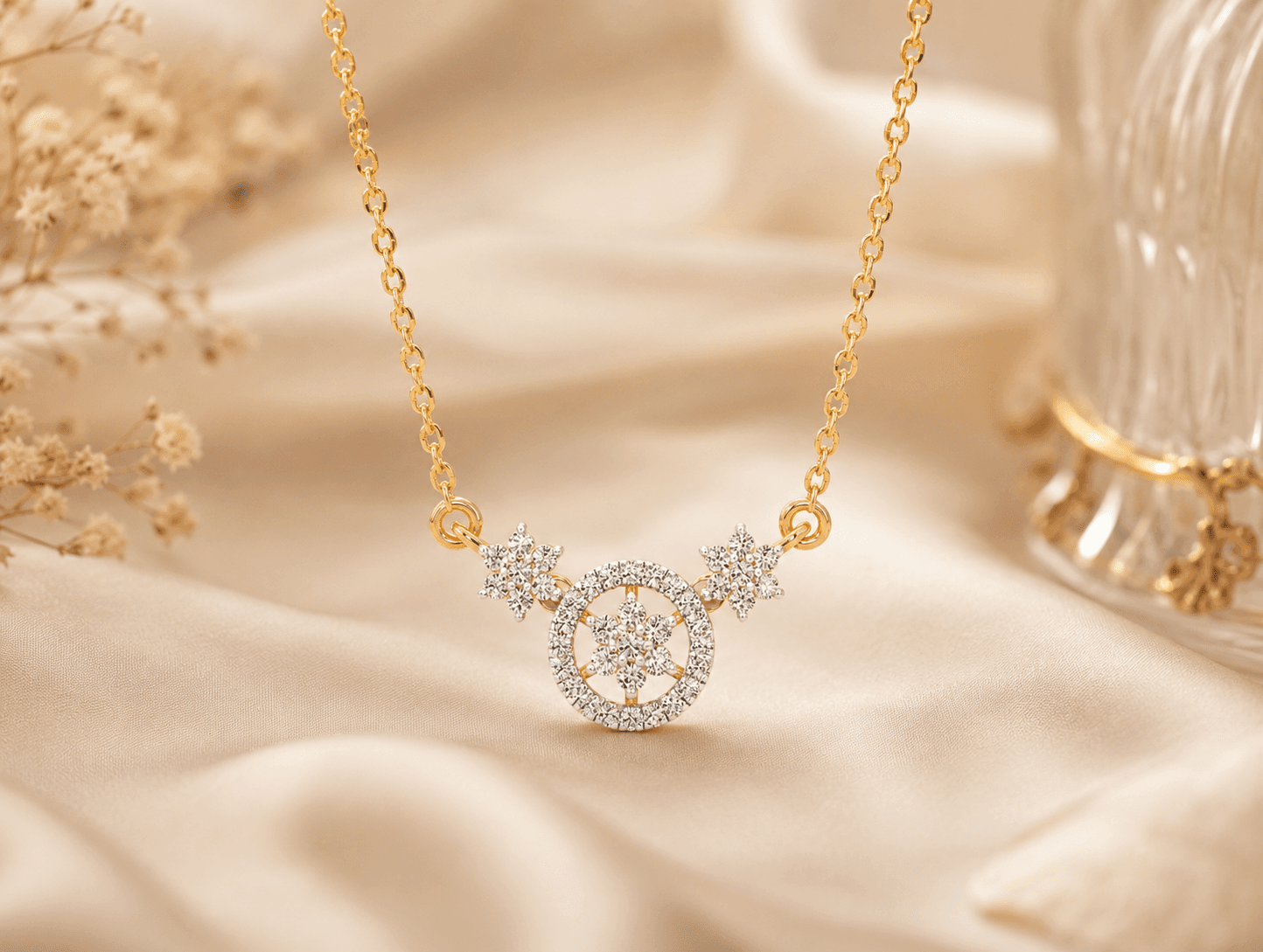
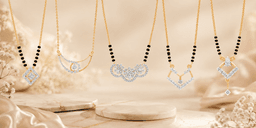
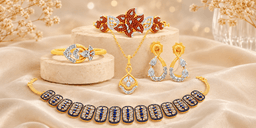
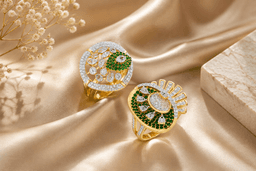
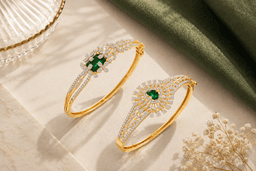
Over the past few years, jewellery preferences have shifted. One of the clearest trends is the growing preference for a lab-grown diamond pendant over a traditionally mined one. The reasons are practical rather than sentimental: lower cost for comparable quality, greater transparency around sourcing, and no visible difference in appearance or durability.
In addition, awareness of lab-grown diamonds has grown significantly among buyers. More jewellers now stock them as a mainstream option rather than a niche alternative. In this blog, we'll take a closer look at why more women are making this choice and what to consider if you're picking out a lab-grown diamond pendant for yourself.
So, let’s get into it!
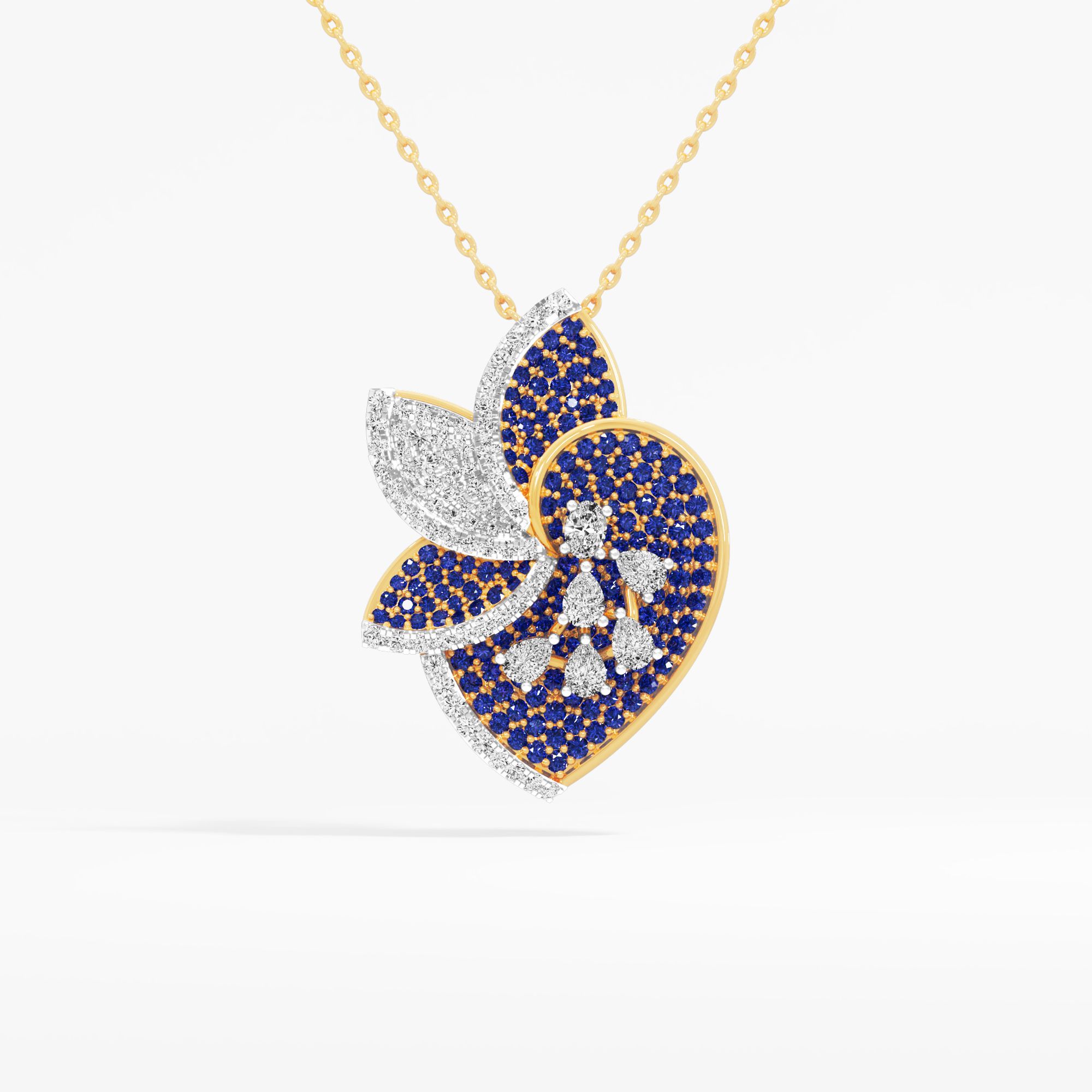
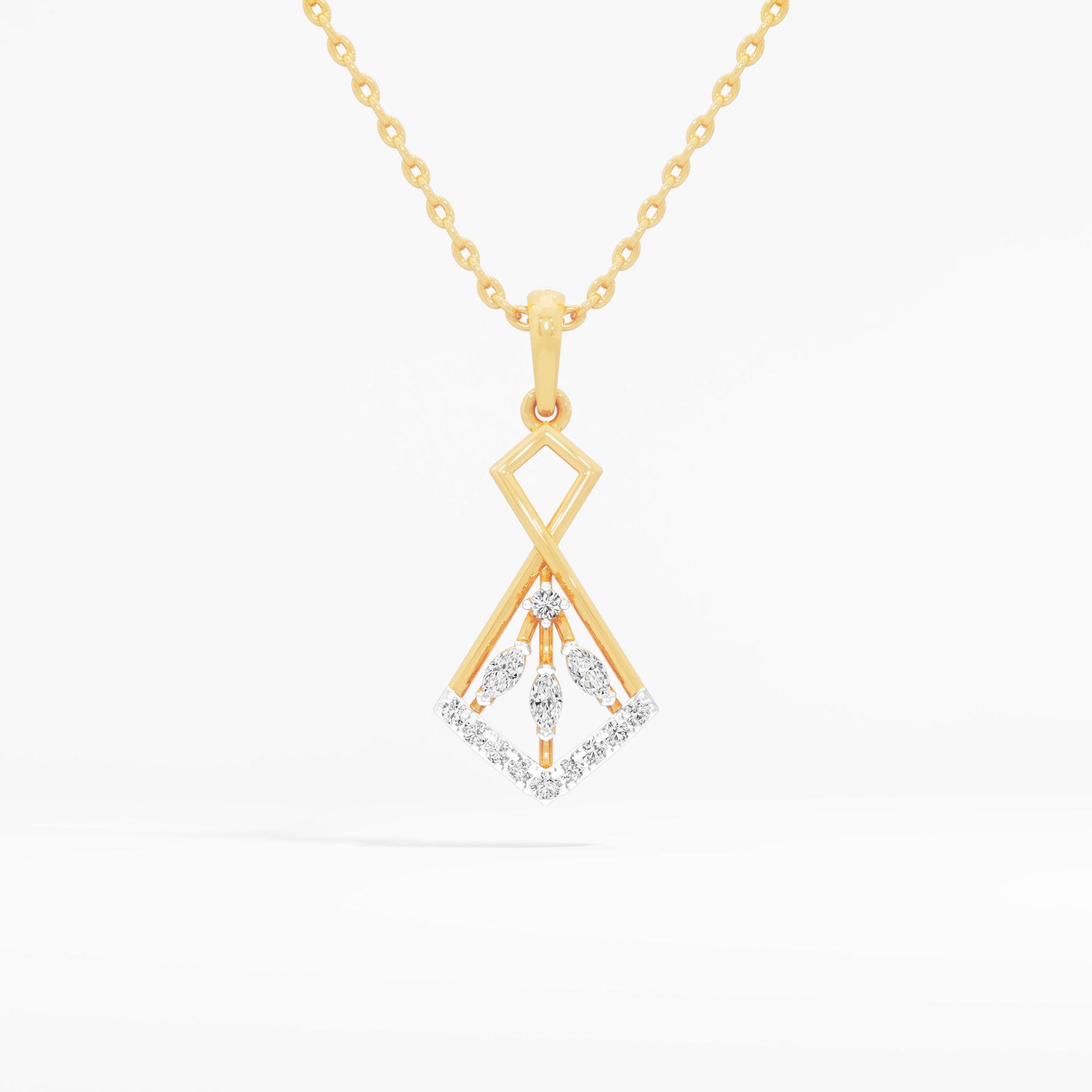
What Is a Lab Grown Diamond?
You might have heard a very common misconception that lab-grown diamonds are fake. Honestly, that’s not true. These are chemically, physically, and optically identical to natural diamonds. But their formation is different.
As you know, mined diamonds are formed naturally underground over billions of years. On the other hand, lab-grown diamonds are created in lab environments with two methods. These are:
- HPHT (High Pressure High Temperature)
- Type IIa CVD diamond (Chemical Vapour Deposition)
But when you compare mined diamonds with lab-grown diamonds, there’s no difference. They offer the same hardness, clarity, and brilliance. The main gem laboratories such as GIA and IGI, certify lab-grown diamonds using the same criteria as for mined diamonds. The only difference is the indication of whether the diamond is natural or man-made.
Why Are Women Making the Switch?
It is not just one reason that makes people lean towards lab-grown diamonds. There are many reasons, and taken together, they ensure that the decision becomes very simple for most women. The reasons include:
Lower Cost for the Same Carat and Quality
Lab-grown diamonds are about 30-40% cheaper than mined diamonds with the equivalent carat, cut, and clarity. This lets women buy a bigger diamond or a more detailed setting without increasing their jewellery expenses.
Better Sourcing
Tracing the origin of mined diamonds can be challenging, even with the use of industrial processes such as the Kimberley Process, to ascertain the exact origins and journey of the diamonds.
However, lab-grown diamonds do not originate from mining, hence making their origin easy to establish. Therefore, for customers seeking to learn about the source and production process of their diamonds, this becomes an obvious benefit.
Identical in Quality and Hardness
Laboratory-grown diamonds have the same rating on the Mohs hardness scale as mined diamonds. It is the maximum rating, and it is 10. Diamonds are graded with the help of the same parameters as mined diamonds: the 4 Cs (Cut, Clarity, Colour and Carat).
In terms of appearance and structure, it is impossible to distinguish between a laboratory-grown diamond and a mined diamond at the same level of grading using only visual methods without additional lab equipment.
How to Choose the Perfect Lab Grown Diamond Pendant
Ready to start looking? Here's what to keep in mind:
Match it to your neckline
If you have a sweetheart neckline, then a beautiful solitaire pendant complements your neckline, while a halo pendant matches a high neck or embellished blouse.
Consider your metal tone
Rose gold has a romantic and warm hue, white gold has a clean and contemporary finish, while yellow gold has a rich traditional hue.
Pick a style that reflects you
From minimalistic solitaire, flower-inspired halo, vintage, to geometric; the choices are endless. Choose something that feels like you, rather than simply following trends.
Check the certification
Always ensure that the lab-grown diamond has an IGI or GIA certification to be able to ascertain its quality and the authenticity of the hallmarked diamond jewellery.
Think about chain length & adjustability
An adjustable chain on a pendant allows for greater versatility when it comes to wearing it with various styles of necklines and clothing, especially if you intend to wear it regularly.
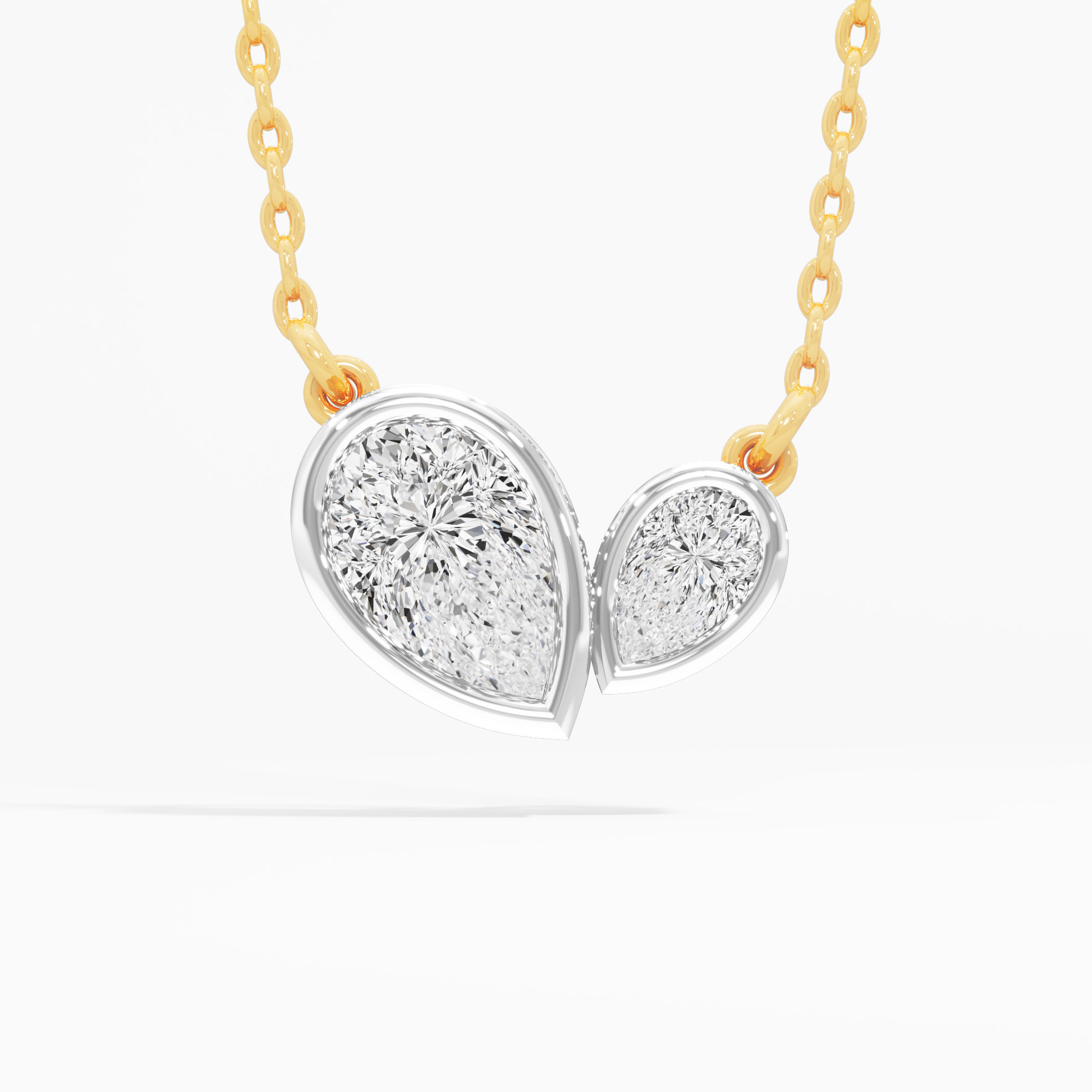
Eternal Embrace Diamond Pendant
Shop NowSplit Heart Diamond Pendant
Shop Now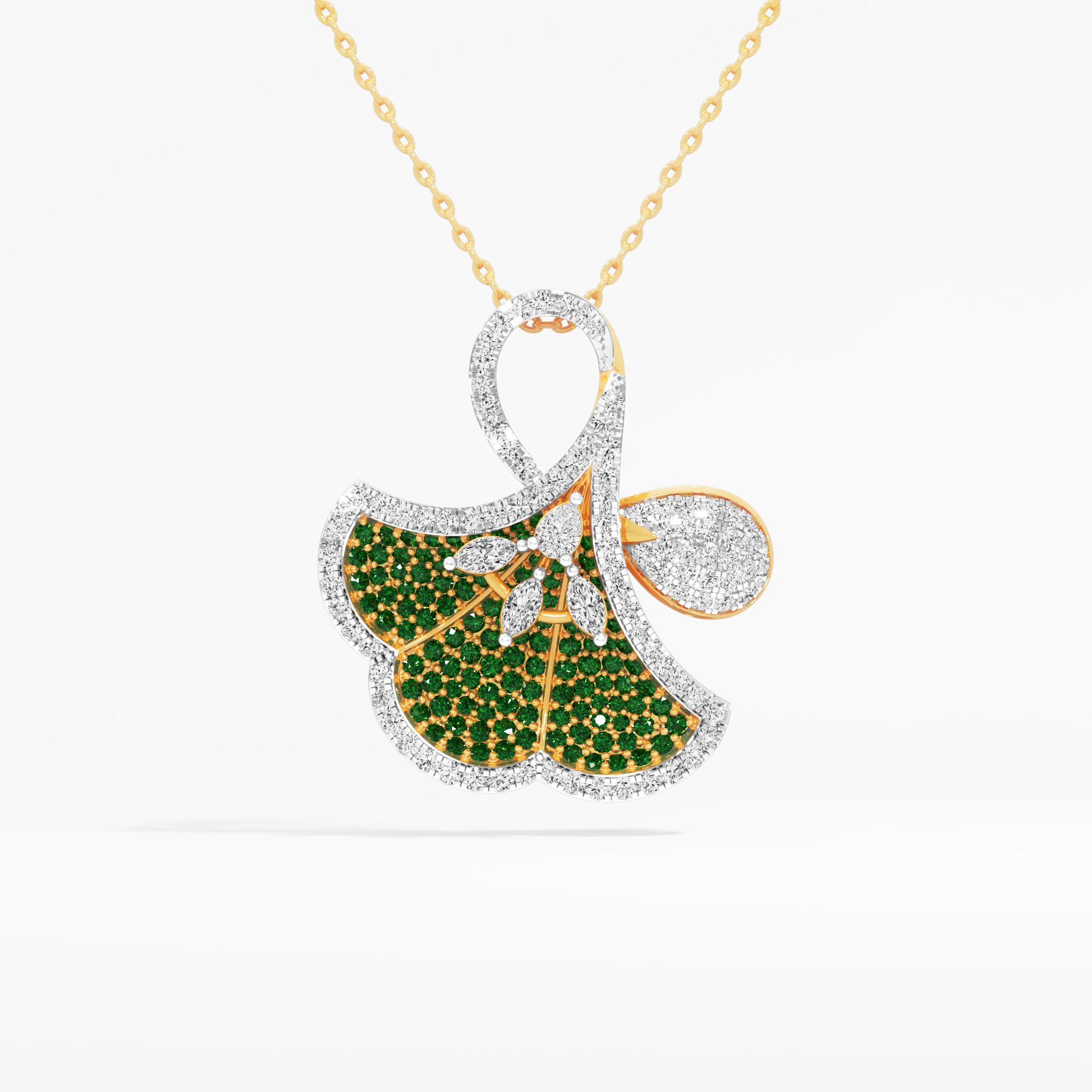
Ginkgo Bloom Diamond Pendant
Shop NowStyling Tips for Every Occasion
Your pendant should feel like the finishing touch, not a competing element. Keep these tips in mind:
→ For lehengas and sarees: Make the pendant the star of your jewellery collection and ensure that your earrings do not overshadow it too much.
→ For gowns and formal events: A longer chain along with a more daring pendant would be suitable for complementing either a plunge or a straight neckline.
→ For layered jewellery: The jewellery chosen should not be identical in design but should be complementary because the pendant should have its own space to shine.
→ For an overall balanced look: Wear only a few statement accessories since the pendant will be the centre of attraction and not another piece of jewellery.
It’s a Wrap!
A lab-grown diamond pendant is comparable to a traditionally mined diamond necklace in terms of quality, certification, and looks, while being cheaper and having better traceability of origin. For women who are trying to make a selection between different pieces of jewellery for special occasions, it makes sense to consider both types of diamonds based on these three parameters.
Explore Kohira's collection of lab-grown diamond pendant designs to see the range of styles, settings, and price points available.